If you’ve ever tried searching for information about an Australian serviceman or woman using Google, you know the frustration: thousands of results dominated by irrelevant people search sites, social media profiles, and commercial databases that have nothing to do with military history. There’s a free tool that can transform how you conduct online research for your Australian military ancestors.
What Is AncestorSearch?
AncestorSearch (https://www.randymajors.org/ancestorsearch) is a specialised search interface that harnesses Google’s power while filtering out the digital noise that typically buries valuable military records and historical information. While created by American genealogist Randy Majors, this free tool is useful for Australian military genealogy research.
Think of it as a precision instrument that turns Google into a focused military history search engine, cutting through irrelevant results to surface the records, unit histories, honour rolls, and digitized documents that actually matter for your research.
Why Australian Military Genealogists Need This Tool
Military genealogy research presents unique challenges. When searching for Australian servicemen and women, you’re typically looking for:
- Nominal rolls and embarkation records
- War diaries and unit histories
- Honour rolls and memorial inscriptions
- Regimental histories and battalion records
- Digitised military newspapers (like The Listening Post or Aussie)
- Returned soldier settlement records
- Local war memorial databases
- Family history articles in RSL publications
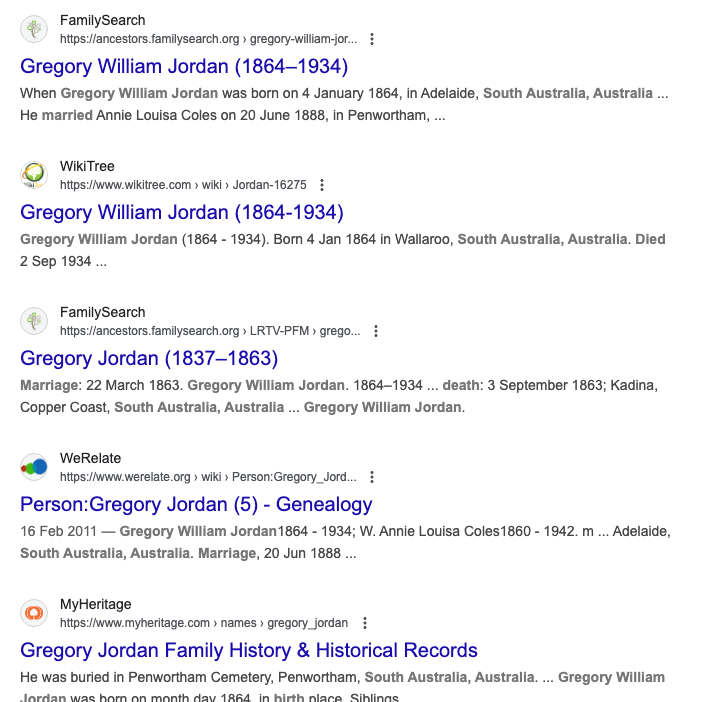
But a standard Google search for “James Smith 1st AIF” might return 100,000 results, with the first several pages clogged by modern people search databases, social media profiles, and commercial genealogy sites that contain no actual military records.
AncestorSearch solves this problem.
Key Features for Military Genealogists
1. Exclude People Search Sites
The single most valuable feature for researching deceased servicemen and women. When you exclude commercial people search databases like BeenVerified, Spokeo, and TruePeopleSearch, your results immediately focus on:
- Digitised nominal rolls
- Australian War Memorial databases
- State library digitized collections
- Local historical society publications
- RSL and veteran organization websites
- Academic military history resources
- Cemetery and memorial records
This filtering is particularly crucial when researching World War I and World War II service personnel, as these commercial databases contribute absolutely nothing to historical research but dominate unfiltered search results.
2. Exclude Social Media Platforms
While social media can occasionally surface useful photos or family stories, it often overwhelms search results with irrelevant content. Filtering out Facebook, Instagram, Twitter, and LinkedIn allows you to focus on substantive historical resources, including:
- Digitised newspapers from Trove
- University special collections
- Museum archives
- Government military history portals
- Regimental association websites
3. Multi-Person Search Capability
The “Second Person” field is invaluable for military research. Use it to search for:
- Brothers who served together: Many Australian families had multiple sons enlist, often in the same battalion
- Known comrades: Search for two men mentioned together in unit diaries or letters
- Officers and their units: Pair a commanding officer’s name with a specific battalion or regiment
- Married couples: For nurses, servicewomen, or civilian war workers whose spouses also served
This proximity searching ensures you find documents where both individuals are genuinely connected, not just random mentions.
4. Year and Date Filtering
For military genealogy, precise dates matter. Use this feature to narrow searches to:
- Enlistment years (1914-1918, 1939-1945, etc.)
- Specific campaigns or battles
- Demobilisation periods
- Post-war settlement years
5. Google Alerts for Ongoing Research
Set alerts for your ancestor’s name combined with their unit or service number. You’ll be automatically notified when:
- New records are digitised and indexed by Google
- Local historical societies publish articles online
- Researchers share unit histories or battlefield studies
- Museums upload new collections
- Family historians publish memoirs or letters
This is particularly valuable as Australian institutions continue digitizing World War I centenary materials and World War II records.
Australian Military Genealogy Applications
Finding WWI Service Personnel
Example Search Strategy:
- First Name: William
- Last Name: Thompson
- Place: Victoria (or specific town/suburb)
- Year: 1915 (enlistment year)
- Other terms:
1st AIForbattalionorAIF - Filter: Exclude People Search Sites
This will surface:
- Embarkation rolls
- Red Cross Wounded and Missing files
- Repatriation Department records
- Local honour rolls
- Newspaper articles from Trove mentioning his service
Pro Tip: Add -ancestry.com.au -findmypast.com.au to the “Other search terms” if you’ve already exhausted those databases and want to find resources outside major commercial sites.
Researching WWII Veterans
Example Search:
- First Name: Robert
- Last Name: McKenzie
- Place: Queensland
- Year: 1942
- Other terms:
RAAFor2nd AIForservice number - Filter: Exclude People Search Sites AND Exclude Social Media Sites
This dual filtering is particularly effective for WWII research, surfacing:
- Squadron histories
- Operational records
- POW records and liberation lists
- Air force base histories
- Pacific campaign documentation
Tracing Korean and Vietnam War Veterans
For more recent conflicts, the tool helps locate:
- Battalion association newsletters
- Campaign histories
- National Archives records
- Memorial dedications
- Oral history projects
Search Example:
- Name: John Anderson
- Place: New South Wales
- Year: 1966
- Other terms:
Vietnambattalion-facebook - Filter: Exclude People Search Sites
Researching Nurses and Servicewomen
The AANS (Australian Army Nursing Service), WAAAF, AWAS, and WRANS members are often harder to trace. Use:
- First Name: Mary
- Last Name: Patterson
- Other terms:
AANSormatronorsister - Year: 1943
- Filter: Exclude People Search Sites
This surfaces nursing unit histories, hospital ship records, and medical corps documentation often buried in standard searches.
Finding Boer War Service
For South African War (Boer War) veterans, combine:
- Name fields
- Place: Australian colony (NSW, Victoria, Queensland, etc.)
- Year: 1900
- Other terms:
contingentormountedorBoer War - Filter: Exclude People Search Sites
Results often include colonial nominal rolls, state library collections, and digitized regimental histories.
Advanced Techniques for Military Research
1. Unit-Specific Searches
Search for battalion or unit names alongside your ancestor:
Other search terms box: "15th Battalion" OR "15th Btn" OR "15th Inf"
This catches variations in how units were recorded in different sources.
2. Service Number Searches
Australian service numbers are unique identifiers. Include them:
Other search terms: The actual service number (e.g., 12345 for WWI, or NX12345 for WWII)
This often surfaces nominal rolls and embarkation records directly.
3. Campaign and Battle Searches
Narrow by specific engagements:
Other search terms: Gallipoli or Pozières or Kokoda or Long Tan
Combined with unit information, this surfaces war diaries, battle narratives, and casualty lists.
4. Exclude Major Commercial Sites
If you’ve already searched Ancestry and FindMyPast thoroughly, exclude them:
Other search terms: -site:ancestry.com.au -site:findmypast.com.au -site:myheritage.com
This forces Google to show you smaller archives, local historical societies, and university collections you might have missed.
5. State Library and Archives Searches
Target specific institutions:
Other search terms: site:nla.gov.au or site:awm.gov.au or site:slv.vic.gov.au
This searches only those specific domains, perfect for deep dives into major collections.
6. Regimental Association Websites
Many battalion and unit associations maintain websites with nominal rolls, histories, and personal stories. Search across them:
Other search terms: "battalion association" OR "regimental association"
Integration With Australian Resources
AncestorSearch works brilliantly alongside resources Australian military genealogists already use:
National Archives of Australia (NAA)
While you should always search NAA directly through RecordSearch, use AncestorSearch to find references to your ancestor in:
- Unit war diaries that mention him/her
- Repatriation files
- Honours and awards documentation
Australian War Memorial (AWM)
AncestorSearch complements AWM databases by finding:
- External references to AWM collection items
- Research guides and articles citing AWM sources
- Battalion histories that reference AWM holdings
Trove
While Trove is searchable directly, AncestorSearch can help find:
- References to digitized newspaper articles
- Citations to Trove materials in academic papers
- Blog posts and articles that analyze Trove content
State Libraries and Archives
Find lesser-known digitized collections from:
- State Library of Victoria
- State Library of NSW
- State Library of Queensland
- Other state institutions
Limitations for Australian Researchers
Geographic Bias
The tool was designed primarily for American genealogy, which means:
- Default place name suggestions lean American
- Some filtering priorities favor US databases
However, this doesn’t significantly impact functionality. Simply type Australian place names normally, and the tool works perfectly.
Commercial Database Coverage
The people search site exclusion list focuses on American databases. While this still dramatically improves results, be aware that some Australian-specific commercial sites may slip through. You can manually exclude them using the “Other search terms” field.
No Access to Paywalled Content
Like any Google-based tool, AncestorSearch can’t bypass paywalls on subscription sites. You’ll still need:
- National Archives of Australia access (free)
- Trove access (free)
- Subscriptions to Ancestry, FindMyPast, or others
- State library cards for accessing digitized collections
Real-World Success Story
Consider searching for a WWI soldier named James Wilson from Victoria who served with the 24th Battalion:
Without AncestorSearch: 500,000+ results dominated by living James Wilsons on people search sites, social media profiles, and irrelevant matches.
With AncestorSearch (using exclude filters):
- Embarkation roll from 1915
- Red Cross Wounded and Missing file
- Mention in The Argus (Melbourne newspaper) casualty list
- Local Ballarat honour roll listing
- Reference in 24th Battalion history
- Burial record from Commonwealth War Graves Commission
Same information, but found in minutes instead of hours.
Best Practices for Australian Military Genealogists
- Always start with exclude filters: Remove people search sites and social media by default for deceased service personnel.
- Use Australian spelling and terminology: Type “colour” not “color,” and use Australian place names as they appeared historically (e.g., “Van Diemen’s Land” for pre-1856 Tasmania).
- Include unit designations: Australian military units had specific naming conventions. Use “1st AIF,” “2nd AIF,” “RAAF,” etc.
- Search variant spellings: Many servicemen had names recorded differently across various documents. Use the alternate name fields.
- Combine with direct archive searches: Use AncestorSearch to discover what exists, then go directly to the source institution for full records.
- Set Google Alerts strategically: Monitor your ancestor’s name combined with their unit or service number for ongoing discoveries.
- Document your sources: When you find something valuable through AncestorSearch, note the URL and archive it, as online resources can disappear.
The Bottom Line for Australian Military Genealogists
AncestorSearch won’t replace the National Archives, Trove, or the Australian War Memorial in your research toolkit. What it will do is dramatically improve your ability to discover lesser-known resources, smaller collections, and unexpected references to your Australian military ancestors scattered across the web.
For military genealogists, time is precious. We’d rather spend it analyzing service records, tracing unit movements, and connecting with other researchers than wading through irrelevant Google results. This free tool gives us back that time.
It’s particularly valuable when you’ve exhausted the major databases and need to find that elusive reference, the small local history publication, or the regimental association newsletter that contains the missing piece of your ancestor’s story.
Try it on your next research challenge. Set up your search with appropriate filters, include military-specific terms, and watch as Google transforms into a precision instrument for Australian military genealogy.
The tool is free, requires no registration, and works with any internet connection. For Australian researchers, it’s a welcome addition to our digital toolkit.
Visit the tool at: https://www.randymajors.org/ancestorsearch
More Australian military genealogy resources: https://ozmilgenealogy.com/