I recently experimented with using AI to restore a damaged photograph of an Australian soldier who was killed during World War I. The original image had deteriorated over time, developing numerous speckles and marks that obscured the soldier’s face and uniform.
The Restoration Process
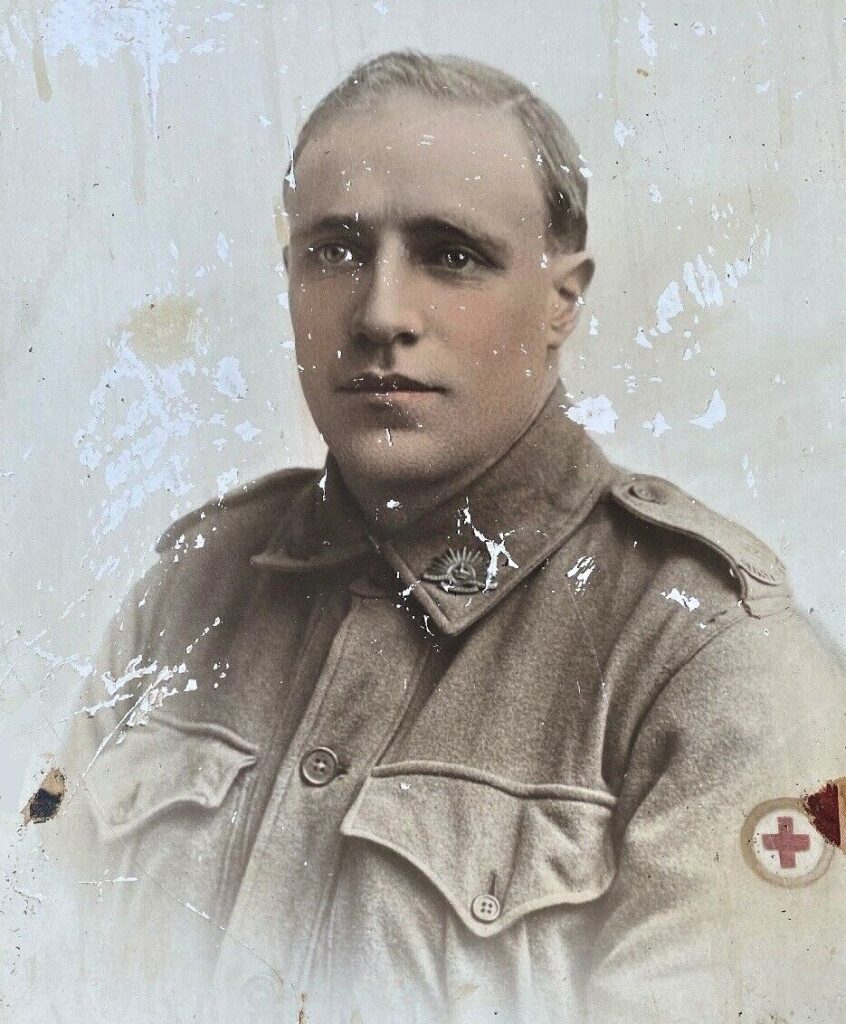
Before: Original speckled image
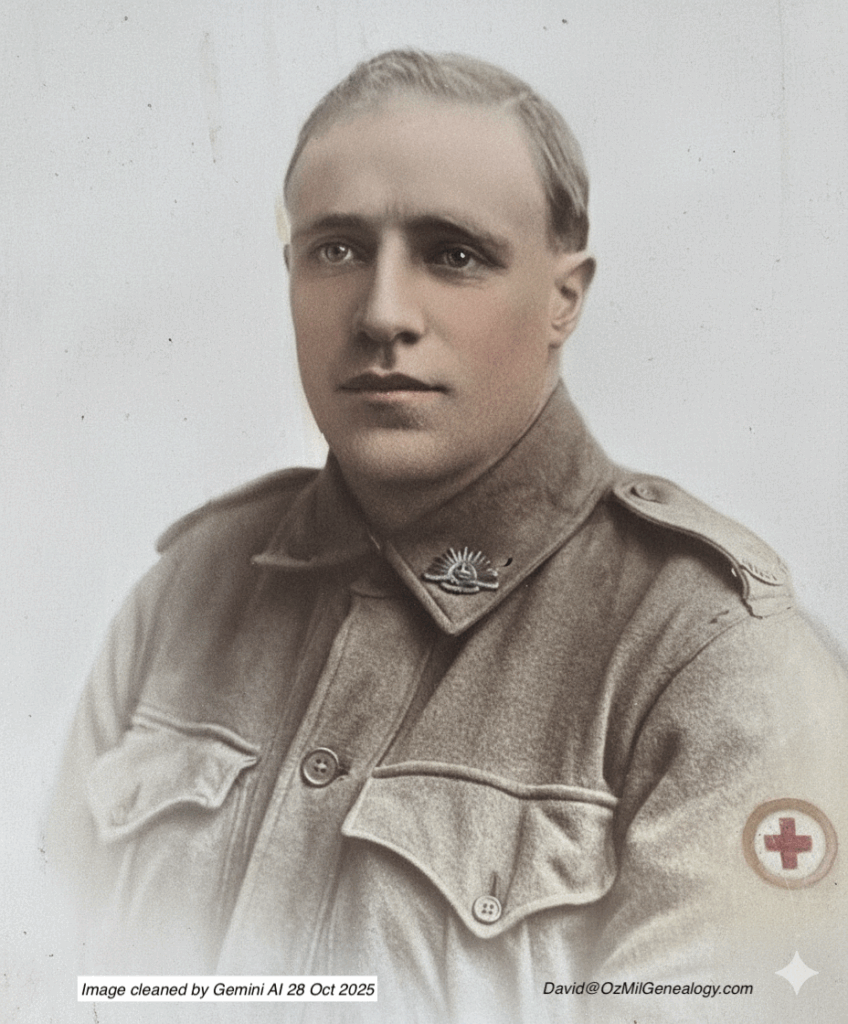
After: AI-cleaned restoration
Using Google’s Gemini AI, I submitted the image with this simple prompt: “Remove the speckles from this image without altering any other part of the image. The image is of a WWI soldier killed in action.”
I think the results are good. AI successfully removed most of the damage while preserving the essential details of the photograph. Notably, Gemini added a small symbol in the bottom right-hand corner of the restored image, transparently marking it as AI-adjusted which is a helpful feature for maintaining authenticity and transparency.
Important Considerations When Using AI for Historical Image Restoration
While AI restoration tools can produce remarkable results, there are several important issues to be aware of:
- Fabricated Details: AI may “hallucinate” or invent details that weren’t in the original image, particularly in damaged areas. What looks like restoration might actually be creative interpretation.
- Historical Accuracy: The AI might introduce anachronistic elements or details that don’t match the period, such as incorrect uniform details or facial features that differ from the original.
- Loss of Authenticity: Some historians argue that damage and deterioration are part of a photograph’s history. Over-restoration can erase this historical context.
- Archival Standards: For serious historical or archival work, always preserve the original unaltered image. The restored version should be clearly labeled as an AI restoration.
- Ethnic and Facial Features: AI models trained primarily on certain demographics may subtly alter facial features, potentially changing the subject’s appearance in problematic ways.
- Verification Challenges: Without the original for comparison, it can be difficult to distinguish between genuine restoration and AI-generated content.
Best Practices
If you’re using AI to restore historical images:
- Always keep and display the original alongside the restoration
- Clearly label AI-restored images as such
- Use specific prompts that emphasise minimal alteration
- Compare results carefully to ensure no significant details have been changed
- Consider the purpose—display versus historical research may have different standards
AI restoration tools offer exciting possibilities for preserving and sharing our visual history, but they must be used thoughtfully and with transparency about their limitations.